
This guide breaks everything down in a simple, practical way so you can make better decisions for your furry companion—whether you’re raising a playful puppy, an energetic rescue dog, or a calm senior pet. You’ll learn what matters most for safety, comfort, and training success, plus what trends are shaping the pet gear world in 2026.
Why Pet Leashes & Collars Matter More Than You Think
A leash and collar aren’t just accessories—they’re essential tools for communication, safety, and behavior management. According to pet behavior experts, inconsistent or poor-quality walking gear is one of the most common reasons for leash pulling, escape incidents, and walking stress in dogs.
Beyond safety, the right gear can improve bonding time, reduce anxiety during walks, and even support better training outcomes.
So yes, choosing the right Pet Leashes & Collars is a bigger deal than most new pet parents realize.
What Pet Owners Are Searching for in 2026
Before diving into tips, it helps to understand what pet owners are actively looking for:
- “Best leash for dogs that pull”
- “Safe collars for small dogs”
- “Reflective dog leash for night walks”
- “Harness vs collar for puppies”
- “Durable leash for large dogs”
A clear trend is emerging: pet parents are prioritizing safety, comfort, and control over aesthetics alone. That shift is influencing product design across the industry.
How to Choose the Right Pet Leashes & Collars
1. Prioritize Safety Over Style (Always)
It’s easy to get drawn to cute patterns or trendy colors, but safety should come first.
What to look for:
- Breakaway or quick-release collars for emergencies
- Strong metal D-rings instead of plastic clips
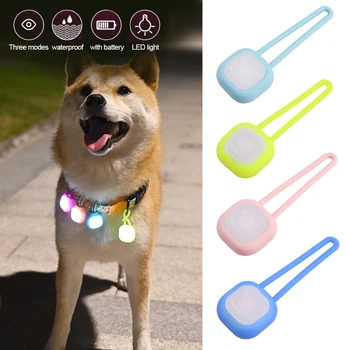
- Reflective stitching for nighttime visibility
For example, reflective leashes have become increasingly popular among urban pet owners who walk their dogs early in the morning or late at night. Visibility can significantly reduce accident risks in low-light environments.
2. Choose the Right Size and Fit
A poorly fitted collar can cause discomfort, choking hazards, or even escape risks.
Simple fitting rule:
You should be able to fit two fingers between the collar and your pet’s neck.
- Too tight = breathing and skin irritation issues
- Too loose = escape risk
- Just right = safe control and comfort
For puppies, adjustable collars are ideal since they grow quickly. For adult dogs, always recheck fit every few months.
3. Match Leash Type to Behavior
Not all leashes are created equal, and choosing the wrong one can make walks frustrating.
Common leash types:
- Standard leash (4–6 ft): Best for daily walking and training
- Retractable leash: Good for controlled exploration (but not for training pullers)
- Hands-free leash: Great for runners or active owners
- Heavy-duty leash: Ideal for large or strong dogs
For dogs that pull, trainers often recommend starting with a fixed-length leash and pairing it with a harness for better control.
4. Material Matters More Than You Expect
Durability and comfort depend heavily on materials.
Popular options:
- Nylon: Lightweight, affordable, widely used
- Leather: Durable, comfortable over time, premium feel
- Rope-style leashes: Strong grip and great for large breeds
- Biothane (rising trend): Waterproof, odor-resistant, easy to clean
In 2026, Biothane and reflective nylon products are trending due to their durability and low maintenance needs—especially in rainy or humid climates.
5. Don’t Ignore Training Benefits
Your leash and collar aren’t just walking tools—they’re training aids.
How do they help behavior?
- Teaching loose-leash walking
- Reinforcing recall commands
- Reducing anxiety during outdoor exposure
- Building consistent walking habits
For example, a short leash combined with positive reinforcement can significantly reduce pulling behavior within a few weeks when used consistently.
Bonus Trend: Smart Collars Are on the Rise
One of the fastest-growing trends in pet care is the adoption of smart collars. These devices can track location, activity levels, and even health metrics.
While not essential for every pet owner, they are becoming popular among those with adventurous dogs or pets prone to wandering.
This evolution shows how Pet Leashes & Collars are moving beyond basic utility into the tech-driven pet wellness space.
Common Mistakes Pet Owners Should Avoid
Even experienced pet owners make mistakes like:
- Buying collars that are too loose “for comfort.”
- Using retractable leashes for training aggressive pullers
- Ignoring wear-and-tear on old leashes
- Choosing fashion over function
Avoiding these mistakes alone can dramatically improve your pet’s walking experience.
Better Gear, Better Walks, Happier Pets
Choosing the right Pet Leashes & Collars is about more than just control—it’s about safety, trust, and everyday comfort for your pet. From proper sizing and material selection to understanding leash types and training benefits, small decisions can make a big difference in your pet’s behavior and happiness.
As pet care continues to evolve in 2026, smarter and safer gear options are making it easier than ever to build positive walking routines.
If you found this guide helpful, consider sharing it with other pet lovers or subscribing to stay updated on more pet care tips, product insights, and training advice.




0 Comments