
Have you ever walked into a room and discovered that your dog has somehow managed to turn a perfectly good pillow into a snowstorm?
There’s stuffing everywhere. Your dog is sitting in the middle of it. And somehow, they have that look on their face that seems to say, “You’re home! Look what I did while you were gone!”
Our first reaction might be frustration. But before deciding your dog has suddenly become a four-legged demolition crew, it’s worth asking a different question:
Could my dog simply be bored?
Dogs experience the world through movement, smells, play, exploration, and interaction with us. When there isn’t enough happening in their day, they don’t necessarily understand that they’re supposed to quietly wait for something interesting to happen.
Sometimes, they create the entertainment themselves.
When Your Shoes Suddenly Become Toys
One of the first clues can be chewing.
Of course, dogs naturally chew. Puppies especially seem capable of putting almost anything in their mouths. But when your dog starts showing unusual interest in shoes, furniture, pillows, remote controls, or anything else they know they shouldn’t have, they may simply be searching for something interesting to do.
Think about their day from their perspective.
You leave for work or start working from home. The house becomes quiet. Their favorite human is busy. The same toys they played with yesterday are sitting in the same places.
Then they spot your shoe.
It smells like you. It has an interesting texture. It’s easy to carry.
Jackpot.
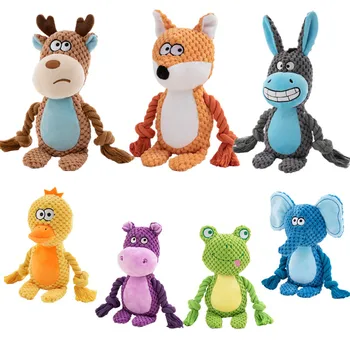
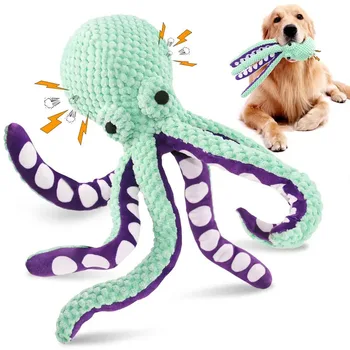
Instead of only taking forbidden objects away, try giving your dog something better. A durable chew toy, treat-dispensing toy, puzzle feeder, or interactive toy gives them an appropriate way to satisfy that curiosity.
You can even rotate their toys instead of leaving everything available all the time. Put a few away and bring them back several days later. Sometimes an old toy becomes exciting again simply because your dog hasn’t seen it lately.
“Hey! Pay Attention to Me!”
Boredom doesn’t always look like destruction.
Sometimes it follows you into the kitchen.
And the bathroom.
And the bedroom.
And back into the kitchen.
Your dog may bring you the same ball repeatedly, nudge your hand with their nose, paw at your leg, or stand six inches away staring directly into your soul.
Some dogs are naturally affectionate shadows, so following you around doesn’t automatically mean they’re bored. But when the behavior seems especially persistent, your dog might be saying something very simple:
“Can we please do something?”
The good news is that “something” doesn’t have to mean an hour-long adventure.
Five or ten minutes of tug, fetch, training, or hide-and-seek can completely change the rhythm of your dog’s afternoon.
Try hiding a favorite toy and encouraging your dog to find it. Practice “sit,” “stay,” “come,” or teach a fun new trick. Mental exercise can be surprisingly tiring because your dog has to concentrate and solve problems instead of simply burning physical energy.
When Your Backyard Becomes an Excavation Site
Then there are the diggers.
You let your dog outside and discover another hole beside the fence. Yesterday there wasn’t one. Today it looks like they’re attempting to uncover an ancient civilization.
Digging can happen for many reasons, and some dogs naturally love it. But boredom can certainly contribute.
If your dog loves digging, you don’t necessarily have to eliminate the behavior completely. Give them somewhere they’re allowed to do it.
A designated digging area filled with loose soil or sand can become a fantastic enrichment activity. Bury a favorite toy or a few treats and let your dog search for treasure.
Instead of constantly saying “No,” you’re giving them an opportunity to hear “Yes, you can do it here.”
Let Them Stop and Smell Everything
One of the easiest ways to make your dog’s day more interesting is something many of us accidentally discourage.
Sniffing.
We’ve all been there. You’re trying to finish a walk before dinner, but your dog has apparently discovered the most fascinating blade of grass in North America.
You tug the leash.
“Come on.”
Your dog moves three feet.
Then discovers another smell.
But those smells are part of what makes the walk interesting.
We tend to think about walks in terms of distance: We walked a mile today.
Your dog may think about that same walk in terms of information: A dog was here. A squirrel ran across this yard. Something interesting happened near that tree.
Giving your dog occasional “sniff walks,” where they get more time to investigate their surroundings, can provide valuable mental stimulation.
Sometimes tiring a dog’s brain is just as important as tiring their legs.
The Midnight Zoomies
Then there’s that familiar moment.
It’s late. You’ve finally sat down. Maybe you’re watching television or getting ready for bed.
Suddenly…
Your dog takes off.
Across the living room. Around the couch. Down the hallway. Back around the couch.
The famous zoomies have arrived.
Zoomies are perfectly normal, and sometimes dogs are simply excited. But if your dog regularly seems to have a huge reserve of energy at inconvenient times, look at how much activity they’re getting earlier in the day.
Depending on your dog’s age, breed, health, and fitness level, adding another walk, a game of fetch, some backyard play, or a short training session might help.
The key isn’t necessarily exhausting your dog. It’s giving that energy somewhere productive to go.
Sometimes Boredom Is Quiet
Not every bored dog destroys the couch.
Some simply sleep.
Dogs naturally sleep a lot, and there is absolutely nothing wrong with a dog enjoying a peaceful afternoon nap. But if your dog seems to sleep simply because nothing else ever happens, adding a little variety may brighten their day.
Take a different walking route.
Bring them along on a safe outing.
Teach them a trick.
Let them investigate a new toy.
Hide treats around a room and tell them to find them.
Even changing the way you serve dinner can turn an ordinary part of the day into an activity. A puzzle feeder, slow feeder, snuffle mat, or other dog-safe enrichment toy can transform “eat dinner” into “figure out how to get dinner.”
One important distinction: if your dog suddenly becomes unusually tired or starts sleeping significantly more than normal, that’s different from ordinary boredom. A noticeable change in energy or behavior is worth discussing with your veterinarian.
Your Trash Can May Be More Exciting Than You Think
Imagine being a dog for a moment.
There’s a container in your kitchen filled with hundreds of smells.
Yesterday’s dinner.
Food wrappers.
Paper towels.
Maybe something that once contained chicken.
And your humans expect you to completely ignore it.
For a bored dog, the trash can can become the ultimate puzzle toy.
Obviously, the answer isn’t allowing your dog to rummage through garbage, which could expose them to dangerous foods or objects. Secure the trash and provide safer ways for them to use those incredible noses.
Hide treats around the house. Scatter kibble in the grass. Use a snuffle mat. Hide a toy and encourage them to search.
You’re giving your dog a job.
And many dogs absolutely love having a job.
Your Dog Doesn’t Need Constant Entertainment
This is probably the most important thing to remember.
Keeping your dog mentally stimulated doesn’t mean becoming their full-time entertainment director.
Dogs also need downtime and should learn how to relax independently.
The goal is balance.
A healthy day might include a morning walk, breakfast, several hours of rest, a five-minute training session, another nap, some independent play, an evening sniff walk, dinner, and a little time playing with you.
Tomorrow might look completely different.
And that’s okay.
In fact, variety itself can be enriching.
Pay Attention to the Dog in Front of You
Every dog is different.
One dog might think chasing a tennis ball is the greatest activity ever invented.
Another couldn’t care less about the ball but could spend half an hour happily sniffing around the backyard.
One dog loves tug.
Another loves puzzle toys.
Another simply wants to explore somewhere new with their favorite person.
The secret isn’t finding the perfect activity for dogs.
It’s discovering what makes your dog light up.
Watch their body language. Notice what gets their attention. Try different activities and see what they come back to again and again.
Because when your dog drags a shoe into the living room, digs another hole in the backyard, brings you the same slobbery tennis ball for the 47th time, or starts racing around the couch at 9:30 at night, they may not be trying to drive you crazy.
They might just be trying to tell you something.
“I’m bored. What are we doing next?”
And sometimes the answer doesn’t require an expensive toy or an elaborate adventure.
Grab the leash.
Pick up the ball.
Hide a few treats.
Teach them something new.
Or just head outside together and let them spend five minutes investigating that incredibly fascinating patch of grass.
To us, it may not seem like much.
To them, it might be the best part of their day.
Looking for more ways to keep your dog active and entertained? Explore Guru Pet Supply for toys, walking accessories, enrichment products, and everyday essentials designed to help make your pet’s world a little more exciting.





0 Comments