
Why Pet Toys Matter More Than Ever
If you’ve ever watched your dog destroy a squeaky toy in under five minutes or seen your cat ignore an expensive plaything in favor of a cardboard box, you already know this truth: not all pet toys are created equal.
In 2026, pet ownership continues to rise globally, and so does the demand for smarter, safer, and more engaging Pet Toys. According to recent pet industry insights, over 65% of pet owners now prioritize enrichment-based toys that support mental stimulation—not just physical play. That shift is reshaping how we choose toys for our furry companions.
In this guide, you’ll learn how to choose the best Pet Toys for your dog or cat, what trends are shaping the industry, and how to avoid common mistakes that many pet owners still make.
Why Choosing the Right Pet Toys Actually Impacts Behavior
Pet toys are more than entertainment—they directly influence behavior, health, and emotional well-being.
Mental stimulation reduces destructive behavior
Pets, especially dogs and indoor cats, often act out due to boredom. Chewing furniture, excessive barking, or scratching walls are usually signs of unmet stimulation needs.
Interactive Pet Toys, such as puzzle feeders or treat-dispensing balls, can reduce destructive behavior by up to 40% in active breeds, according to pet behavior studies.
Physical health benefits are often overlooked
Toys encourage movement, which helps prevent obesity—a growing issue in pets worldwide. Nearly 60% of cats and 56% of dogs are overweight in some regions due to inactivity.
Tug toys, chase toys, and fetch toys promote natural exercise patterns that keep pets healthy.
Trending Types of Pet Toys in 2026
Pet toy innovation is evolving fast. Here are the biggest trends shaping what pet owners are buying this year:
1. Smart interactive toys
Tech-enabled Pet Toys are gaining popularity. These include:
- Motion-activated laser toys for cats
- App-controlled treat dispensers
- Automatic rolling balls for dogs
These toys are ideal for busy owners who want to keep pets engaged even when they’re not home.
2. Eco-friendly and sustainable toys
Pet owners are becoming more environmentally conscious. Toys made from recycled rubber, hemp fibers, and organic cotton are replacing plastic-heavy alternatives.
Not only are they safer for pets, but they also reduce environmental waste.
3. Durable chew toys for aggressive chewers
If you own a strong chewer, you know the struggle. New-generation chew toys use ultra-durable materials like natural rubber blends and reinforced nylon.
These toys last significantly longer—sometimes 3–5x longer than traditional plush toys.
How to Choose the Best Pet Toys for Your Pet
Choosing the right toy isn’t just about picking something cute. It requires understanding your pet’s personality, age, and behavior.
Step 1: Match toys to your pet’s energy level
- High-energy dogs → fetch balls, rope toys, agility toys
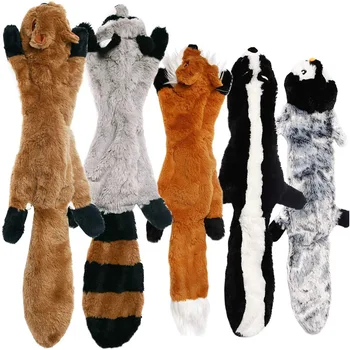
- Low-energy pets → soft plush toys, gentle chew toys
- Curious cats → puzzle toys, tunnels, feather wands
Step 2: Prioritize safety over aesthetics
Avoid toys with:
- Small detachable parts (choking hazard)
- Toxic dyes or cheap plastic materials
- Weak stitching for aggressive chewers
Safety-certified Pet Toys may cost slightly more, but they significantly reduce health risks.
Step 3: Rotate toys regularly
Pets lose interest quickly. Rotating toys every 7–10 days keeps engagement high and prevents boredom without constantly buying new items.
Common Mistakes Pet Owners Make With Toys
Even well-meaning owners often make mistakes when selecting Pet Toys:
- Buying based on appearance instead of function
- Ignoring size compatibility (too small = choking risk, too big = ignored toy)
- Not replacing worn-out toys
- Overstimulating pets with too many toys at once
A balanced toy rotation system is far more effective than overloading your pet with options.
Smarter Pet Toys Lead to Happier Pets
Choosing the right Pet Toys isn’t just a shopping decision—it’s an investment in your pet’s health, behavior, and happiness. From interactive tech toys to eco-friendly chew options, today’s market offers more variety than ever before.
By focusing on safety, engagement, and your pet’s unique personality, you can significantly improve their daily quality of life while reducing behavioral issues at home.
If you found this guide helpful, consider sharing it with fellow pet lovers or subscribing to our newsletter for more expert tips on pet care, training, and product recommendations.


0 Comments